Commercial Projects
Specifying blinds for hotel fit-outs
Paolo Reyes · 5 min read
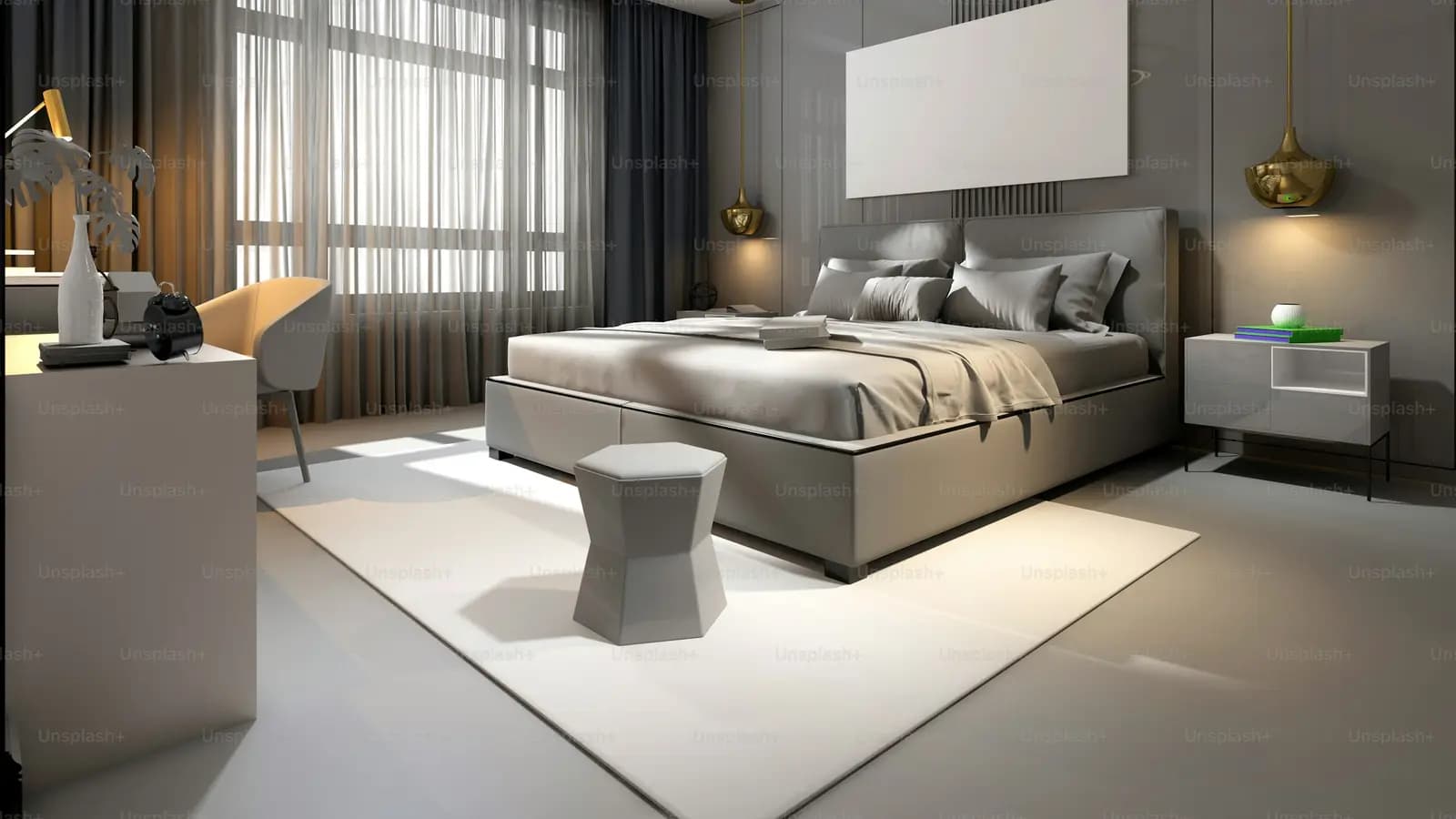
Guest-room window coverings look like a minor line in a fit-out budget and behave like a major one, because they sit directly on top of the two things guests review: whether they slept, and whether the room felt finished. Most of the failures we are called in to correct were decided at specification stage, months before anything was installed.
Blackout is a perimeter detail, not a fabric
A coated triple-weave passes under 0.1% of the light striking it. Specify only the fabric and your guest still wakes at 5.30 am, because the light arrives around the edges: 15 mm down each jamb, a gap under the bottom rail, and a glow over the roll at the head. The guest-room standard that actually works is fabric plus perimeter — a blackout roller in aluminium side channels, a brush seal on the bottom rail, and a cassette head with a light-block lip. Write all four elements into the specification. "Blackout roller blind" on a schedule is not a specification; it is an aspiration.
Two layers per window
A guest wants the view and daylight at 4 pm and darkness at 4 am. One fabric cannot do both, and asking it to produces either a gloomy room or a bright one. Specify a sheer or sunscreen roller plus a separate blackout roller on every guest-room window, on a double bracket set or in a shared pocket. If the ceiling detail is still open, this is the moment to ask for a 160 mm pocket, because retrofitting a second blind into a 90 mm pocket after handover is a joinery job, not a blind job.
Group the motors around housekeeping, not around the guest
The guest needs one switch by the bed. Housekeeping needs a floor. If every blind is its own device, a room attendant walks 24 rooms to open 24 blinds each morning, and within a month they simply stop doing it. Specify grouping — by floor and by aspect — with a scene per wing at the housekeeping station, a wall switch per room, and manual override retained on every unit. Two numbers belong in the spec: the group count your bridge supports, and the motor noise limit. We hold ours under 38 dB at one metre, because that blind runs at 6 am with a sleeping guest on the other side of the wall.
Also decide, early and in writing, who provides power. Mains motors need a circuit and a point at the head of each window, which is an electrical package item that gets missed and then becomes an argument. Battery motors avoid the coordination entirely and are usually the right answer on a refurbishment of an operating property, with the added benefit that a brownout leaves every room still operable.
Approve a mock-up room before anything is cut
One room, fully finished, signed off by rooms division, housekeeping and the designer together. It costs a week and it catches the things drawings do not: that the side channel fouls the curtain of the sheer layer, that the chosen sheer shows the street lights at night, that the switch is on the wrong side of the bed, that the fabric reverse reads green against the façade glass. Every one of those is cheap to change in one room and expensive across 96.
Measure the building, not the drawings
Never release production off construction drawings for a property that has been built. On a 96-suite job expect a dozen reveals to differ from the drawing set by more than 10 mm, and on a refurbishment expect worse. Site-measure every opening after the wet trades are finished and the reveals are plastered, then release by wing. The programme cost of measuring twice is days. The cost of remaking a wing is weeks and it lands during pre-opening, when there is no slack left.
Programme, phasing and inventory
On an operating property, agree with the revenue manager how many rooms can leave inventory at once, and work to that number rather than to your crew size. Deliver to the floor being worked; a corridor is not a warehouse and a hotel has nowhere to store 288 blinds. Sequence noisy work — drilling into concrete lintels — into the hours your duty manager nominates. And ask your supplier what happens if a fabric shipment slips, because on a pre-opening programme that answer matters more than the unit price.
Documentation and the fifth year
Ask for the fire test certificate for each fabric, the warranty terms in writing, a room-by-room as-built schedule naming the fabric, colour, dye lot, hardware and motor model, and a stated parts-holding period. In year five a single failed motor should be replaced with a matching unit and a single torn shade re-fabricated from the recorded batch. Without that schedule you are re-shading a floor to make one room match, which is the most expensive line item in this whole article and the easiest to avoid.