Design & Energy
Cutting aircon costs with window coverings
Paolo Reyes · 5 min read
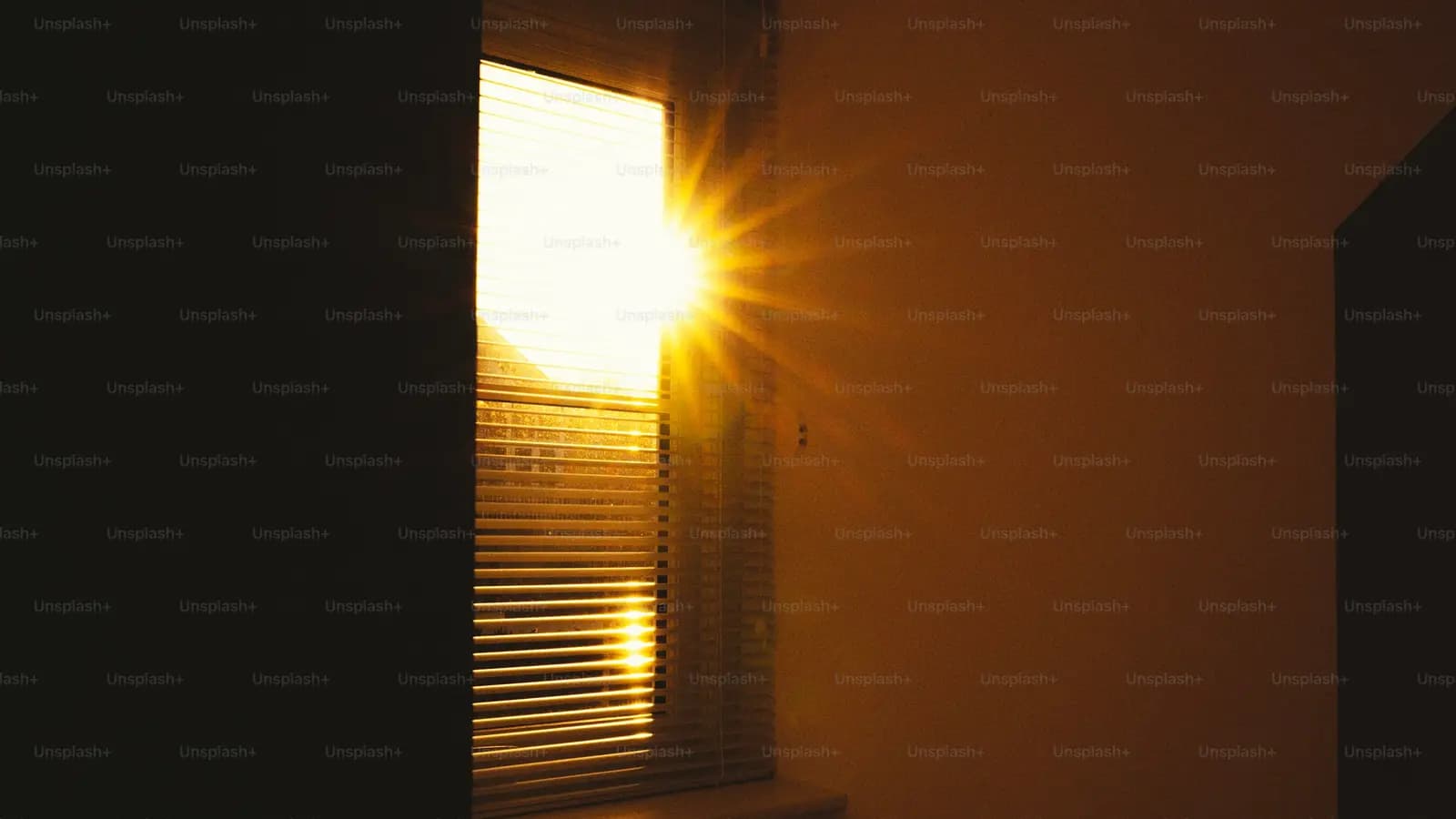
A wall in a Philippine house is 150 mm of concrete. The window next to it is 6 mm of glass, and on a west elevation at 3 pm that glass is letting through several hundred watts per square metre of solar radiation. Everything your air conditioner does after that is removing heat that came in through the window. This is why shading is the cheapest cooling intervention available: you are stopping the heat rather than paying to pump it back out.
Where the heat comes in, in order
Solar gain through glass dominates. Orientation decides how much: a west-facing window is the worst in this climate, because it takes low, direct afternoon sun exactly when the outdoor temperature peaks and the aircon is already working hardest. East is next, though morning gain is easier to live with. North and south glass mostly receives diffuse light and contributes far less. If you are only going to treat some of your windows, treat the west ones and treat them first.
Outside beats inside, by a lot
An internal blind stops heat after it has passed through the glass, so a good part of that energy is already in the room and is re-radiated inwards. An external blind or awning stops it before the glass, and can reject roughly 70–80% of the solar gain against something closer to 30–50% for an internal shade. If you have a lanai, a balcony or a wall you can fix to, an exterior blind is the highest-performing option on the page. Where an exterior installation is impossible — most condominium units, most curtain walls — you are choosing between internal fabrics, and then the details matter.
Which internal fabric, and why colour is not what you think
Two properties do the work: openness factor and the reflectance of the surface facing the glass. A 1% openness screen rejects up to about 88% of solar energy; a 10% screen is nearer 60%, because 10% of the area is literally holes. A pale, reflective backing bounces energy back out through the glass, which is why a blackout fabric with a white or metallised reverse and a dark room-side face performs better than an all-dark panel. Our usual recommendation for a hot west window where the view matters is a 3% screen, dark on the room side, reflective on the glass side: you keep the view and the clarity while rejecting most of the heat.
One caution that is genuinely important with tinted or reflective glass, which most towers here have. A dark blind pressed tight against tinted glazing traps heat between the two and can put enough thermal stress into an annealed pane to crack it. Keep at least 50 mm of air gap, leave the top and bottom of the cavity able to breathe, and do not seal a dark blind fully to the glass in a west-facing tinted window. If your glass is already tinted, favour a lighter fabric or a higher air gap.
Behaviour is worth as much as hardware
The single biggest wasted saving is timing. People close the blind when the room already feels hot, which is an hour or two after the gain started. Close west-facing blinds by early afternoon, before the sun is on the glass, and the aircon never has to catch up. Then open them in the evening once the sun is off the façade, because a closed blind after dark saves nothing and you lose the view you paid for. This is exactly the case for motorising a west elevation with a timed scene: the saving depends on the blind moving at 1 pm whether or not anyone is home, and a timer is more reliable than a household.
What it is worth, roughly
Take a 12 m² west-facing living-room window in Metro Manila. Reducing solar gain across that glazing by even half typically takes on the order of a kilowatt off the cooling load during the afternoon peak. At six hours a day and a residential tariff around ₱12 per kWh, that is about ₱72 a day, ₱2,100 a month in the hot season, and a plausible ₱15,000–20,000 a year on a household that runs its aircon most afternoons. A pair of quality sunscreen rollers on that window is in the ₱12,000–18,000 range, so the payback sits inside two seasons — and unlike a new inverter unit, the blind also fixes the glare and the fading furniture.
Treat these as order-of-magnitude figures rather than a guarantee: the real numbers depend on your glazing, your tariff, your set point and how many hours you cool. But the direction is not in doubt, and the ranking is stable. Shade the west glass, get the fabric and its backing right, keep an air gap off tinted glass, and close the blind before the room gets hot rather than after.